Uses of Himalayan Crystal!
Himalayan salt is used for different purposes and due to its health benefits, it is examined as the most effective source for natural remedies. Many companies import this salt and make different products from it. To add this to your knowledge, Himalayan salt can be used for home decor as well. Down below are some of the uses of Himalayan salt.


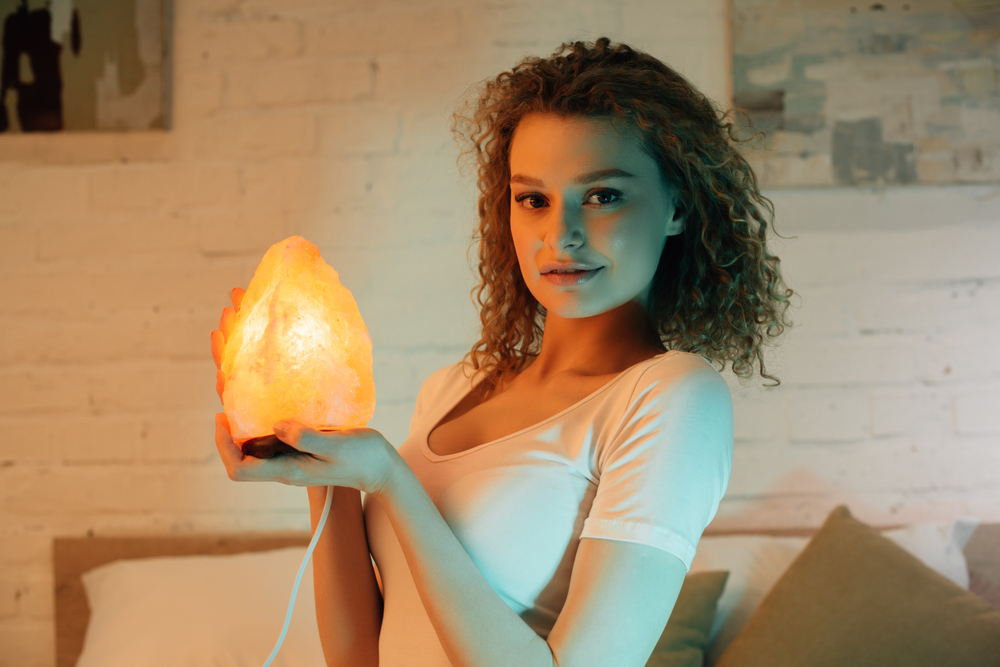
Salt Lamps
When salt is heated under certain conditions and environment, it can react as negative ions in the air. Most of the companies crave Himalayan salt and turn it into a lamp with a bulb placed in the lamp. This is an electric lamp which is only used indoors, once you plug in the switch, the salt will start purifying the room air with the help of negative ions.
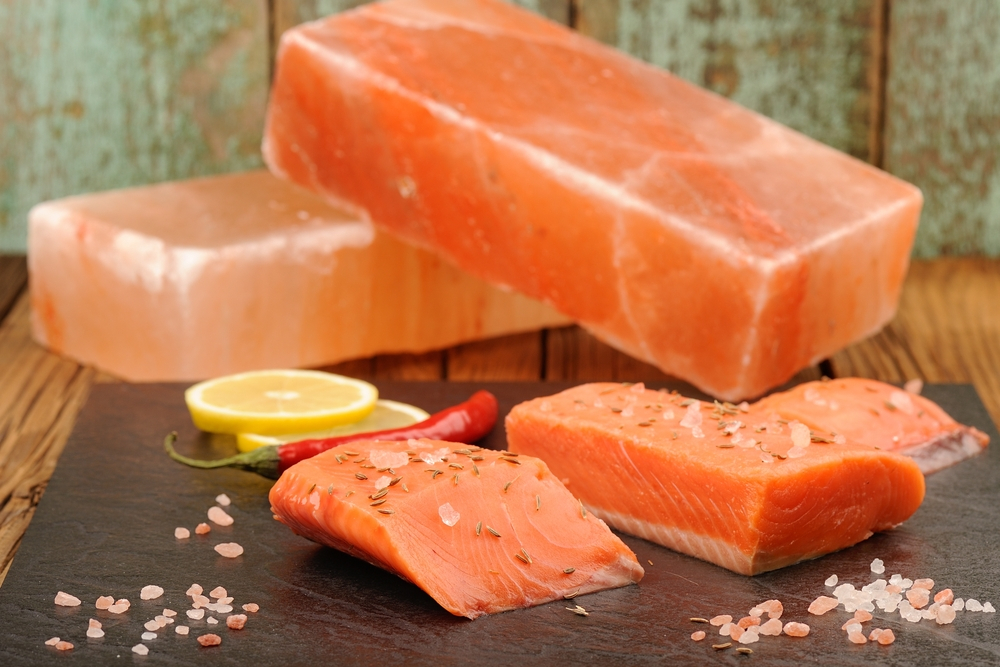
Salt Cooking Plates
Himalayan salt can be used as a cooking and eating utensil. Plates and utensils made up of pink salt are enriched with minerals essentials. These plates provide both the purpose of eating and serving. Salt plates are now prevalent around the world ever since people found its health benefits. These salt cooking plates are ordinarily used in restaurants as they look enticing and healthy at the same time.

Seasoning Salt
Because pink salt has mineral dense nature, it can be used as Seasoning salt. Pink salt is edible, instead of using processed salt reinstated with Himalayan salt. Processed salt has no minerals and natural elements left away after going through chemical procedures. On the contrary, many companies have inferred the health benefit of pink salt and started importing the salt. They inspire healthy life with a magnificent variety of edible salt and Seasonings.
Salt Bath products
Companies have introduced distinct salt bath products which help in detoxification of the body and work as muscle relaxant. The unwanted body odor can be washed away by using salt detoxifies and mineral soaks. The salt bath can be an optimal way to inject those 84 minerals present in Himalayan salt. This salt infuses in the bloodstream and detoxifies it. Even the dead skin on the body is wiped through the salt bath.

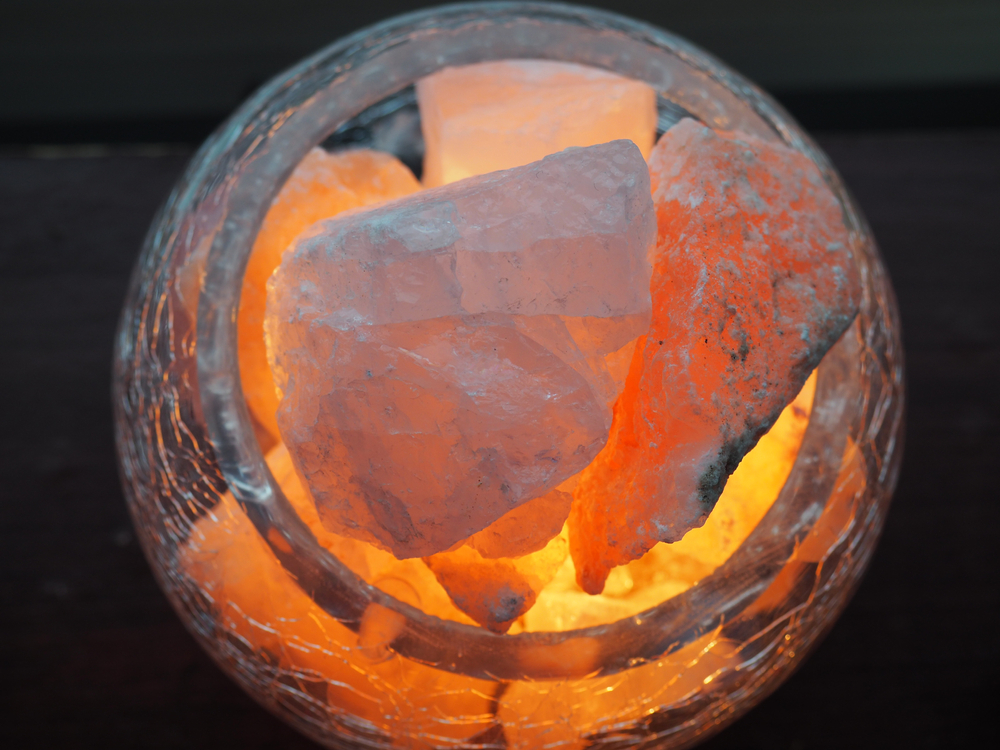
Salt Therapy
For centuries people have been ensuing salt therapy. It was first practiced by Chinese, ever since then salt therapy has been used to attain health benefits through natural ways. It can cure asthma and people suffering from breathing problems or allergies. Companies introduced Himalayan salt air inhalers to continue this ancient therapy to get health benefits because they are well aware there is no other salt that has the same benefits.
Minerals formed in Himalayan Salt:
Actinium, Aluminum, Antimony, Astatine, Barium, Beryllium, Bismuth, Boron, Bromine, Cadmium, Calcium, Carbon, Cerium, Cesium, Chlorine, Chromium, Cobalt, Copper, Dysprosium, Erbium, Europium, Fluorine, Francium, Gadolinium, Gallium, Germanium, Gold, Hafnium, Holmium, Hydrogen, Indium, Iodine, Iridium, Iron, Lanthanum, Lead, Lithium, Lutetium, Magnesium, Manganese, Mercury, Molybdenum, Neodymium, Neptunium, Nickel, Niobium, Nitrogen, Osmium, Oxygen, Palladium, Phosphorus, Platinum, Plutonium, Polonium, Potassium, Praseodymium, Protactinium, Radium, Rhenium, Rhodium, Rubidium, Ruthenium, Samarium, Scandium, Selenium, Silicon, Silver, Sodium, Strontium, Sulphur, Tantalum, Tellurium, Terbium, Thallium, Thorium, Thulium, Tin, Titanium, Uranium, Vanadium, Wolfram, Yttrium, Ytterbium, Zinc and Zirconium.
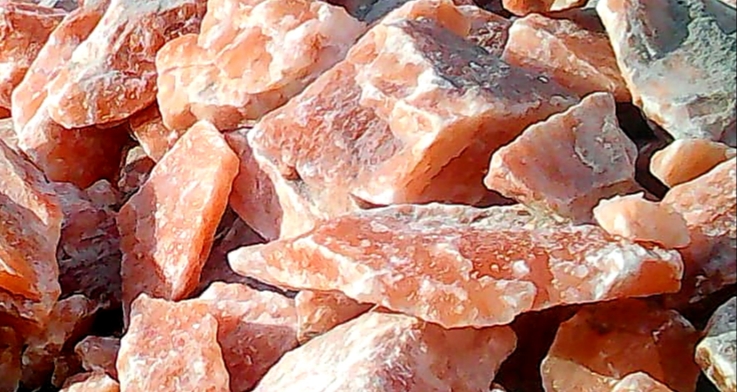
Uses of Himalayan Crystal!
Himalayan salt is used for different purposes and due to its health benefits, it is examined as the most effective source for natural remedies. Many companies import this salt and make different products from it. To add this to your knowledge, Himalayan salt can be used for home decor as well. Down below are some of the uses of Himalayan salt.
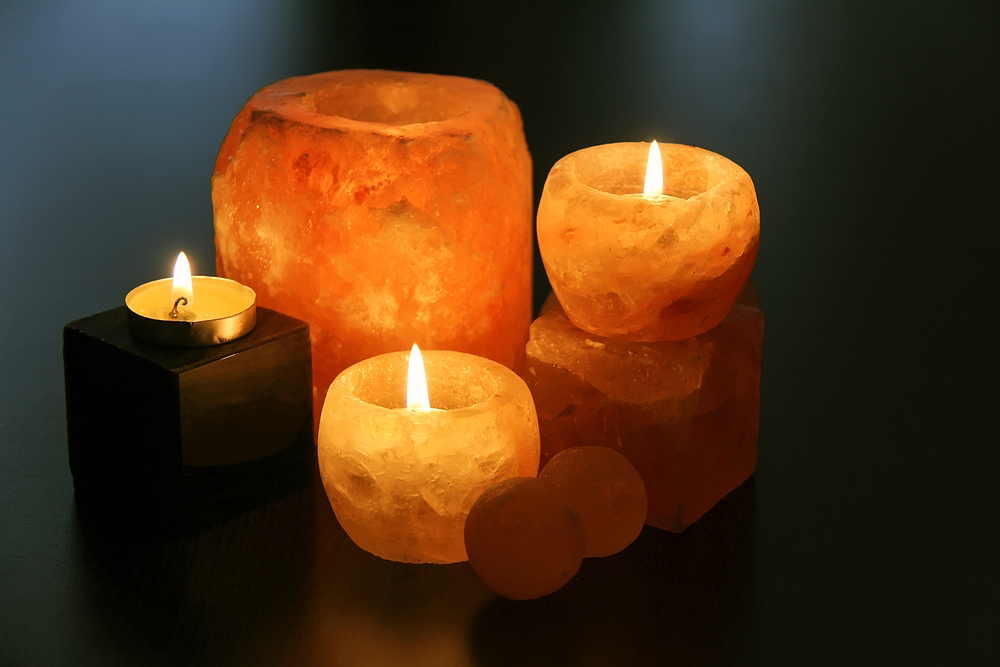
Salt Lamps
When salt is heated under certain conditions and environment, it can react as negative ions in the air. Most of the companies crave Himalayan salt and turn it into a lamp with a bulb placed in the lamp. This is an electric lamp which is only used indoors, once you plug in the switch, the salt will start purifying the room air with the help of negative ions.
Salt Cooking Plates
Himalayan salt can be used as a cooking and eating utensil. Plates and utensils made up of pink salt are enriched with minerals essentials. These plates provide both the purpose of eating and serving. Salt plates are now prevalent around the world ever since people found its health benefits. These salt cooking plates are ordinarily used in restaurants as they look enticing and healthy at the same time.
Seasoning Salt
Because pink salt has mineral dense nature, it can be used as Seasoning salt. Pink salt is edible, instead of using processed salt reinstated with Himalayan salt. Processed salt has no minerals and natural elements left away after going through chemical procedures. On the contrary, many companies have inferred the health benefit of pink salt and started importing the salt. They inspire healthy life with a magnificent variety of edible salt and Seasonings.

Salt Bath Products
Companies have introduced distinct salt bath products which help in detoxification of the body and work as muscle relaxant. The unwanted body odor can be washed away by using salt detoxifies and mineral soaks. The salt bath can be an optimal way to inject those 84 minerals present in Himalayan salt. This salt infuses in the bloodstream and detoxifies it. Even the dead skin on the body is wiped through the salt bath.
Salt Therapy
For centuries people have been ensuing salt therapy. It was first practiced by Chinese, ever since then salt therapy has been used to attain health benefits through natural ways. It can cure asthma and people suffering from breathing problems or allergies. Companies introduced Himalayan salt air inhalers to continue this ancient therapy to get health benefits because they are well aware there is no other salt that has the same benefits.
Minerals Formed in Himalayan Salt
Actinium, Aluminum, Antimony, Astatine, Barium, Beryllium, Bismuth, Boron, Bromine, Cadmium, Calcium, Carbon, Cerium, Cesium, Chlorine, Chromium, Cobalt, Copper, Dysprosium, Erbium, Europium, Fluorine, Francium, Gadolinium, Gallium, Germanium, Gold, Hafnium, Holmium, Hydrogen, Indium, Iodine, Iridium, Iron, Lanthanum, Lead, Lithium, Lutetium, Magnesium, Manganese, Mercury, Molybdenum, Neodymium, Neptunium, Nickel, Niobium, Nitrogen, Osmium, Oxygen, Palladium, Phosphorus, Platinum, Plutonium, Polonium, Potassium, Praseodymium, Protactinium, Radium, Rhenium, Rhodium, Rubidium, Ruthenium, Samarium, Scandium, Selenium, Silicon, Silver, Sodium, Strontium, Sulphur, Tantalum, Tellurium, Terbium, Thallium, Thorium, Thulium, Tin, Titanium, Uranium, Vanadium, Wolfram, Yttrium, Ytterbium, Zinc and Zirconium.